Source Copper Rosaries Earrings for Gifts, Parties, and Weddings
Explore 30 listings for copper rosaries earrings suitable for decoration, gifts, and special occasions. Compare options made from alloy, copper, and sterling silver with various shapes like flowers, crosses, and squares. Find hypoallergenic and eco-friendly designs for female buyers seeking unique accessories.
Key considerations
Products List


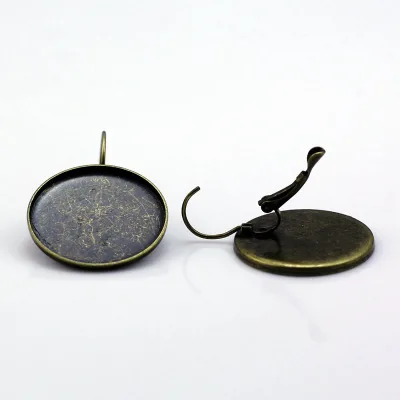
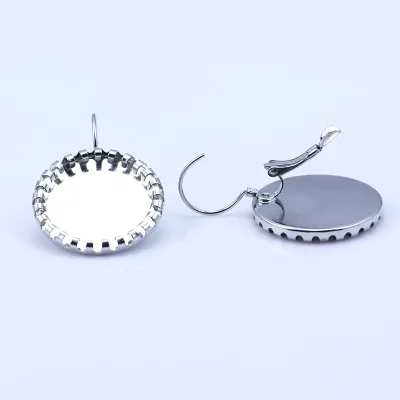

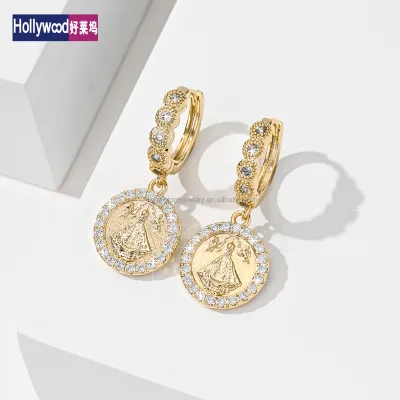


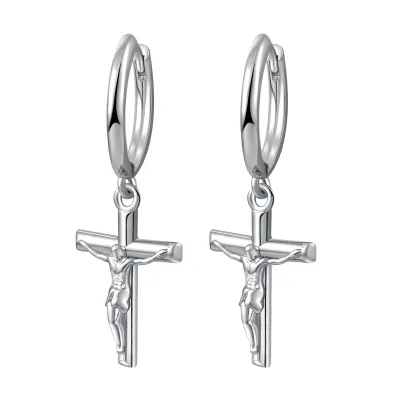
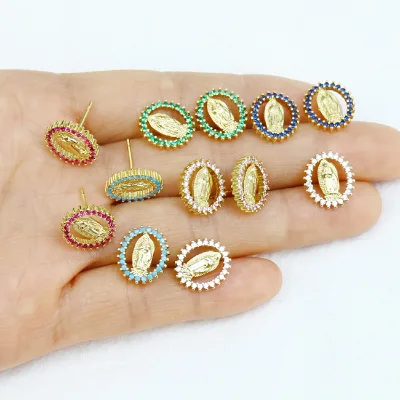
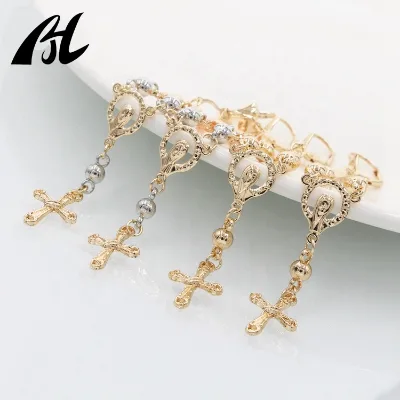


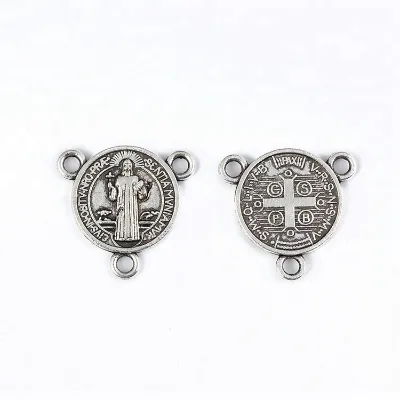
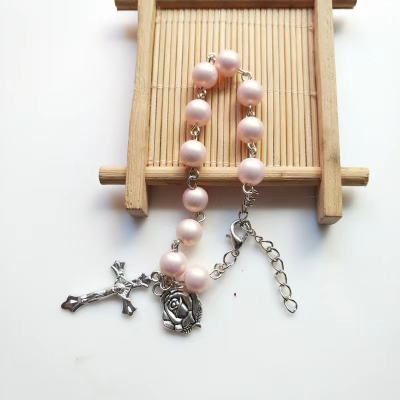
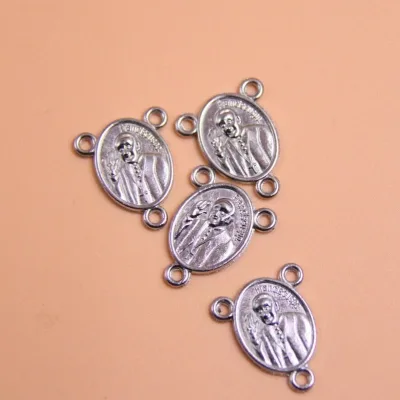
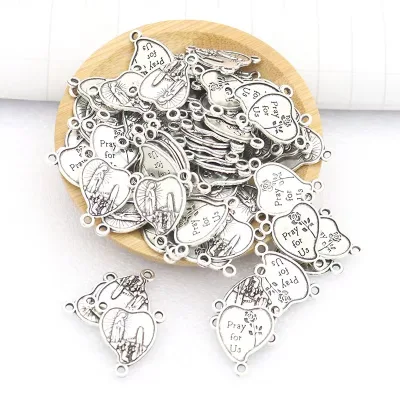
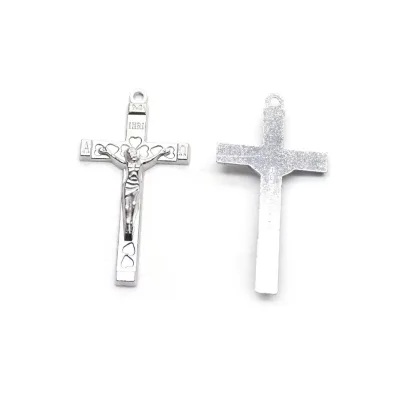


Comprehensive Sourcing Guide
Copper Rosaries Earrings Sourcing Guide
The market for copper rosaries earrings presents a distinct opportunity for buyers seeking affordable, decorative jewelry with specific aesthetic finishes. Observed listings indicate that while copper is a primary material, many suppliers also utilize alloy and stainless steel components to enhance durability and reduce costs. These products are frequently marketed with a "Star Fashion" or "Exoticism" style, targeting a female demographic interested in unique designs like crosses, flowers, or round shapes. Buyers must recognize that the term "copper" often describes the base metal, while the final appearance relies heavily on plating processes such as rhodium, rose gold, or yellow gold to achieve the desired luxury look.
Procurement strategies should account for the wide variance in product specifications found in current listings, ranging from simple push-back studs to more complex 3D designs. The observed data suggests that while some items are marketed as hypoallergenic, the actual material composition can vary between pure copper, 925 sterling silver, and various alloys. This inconsistency requires buyers to verify the exact metal stamp and plating thickness before placing orders. Furthermore, the usage extends beyond mere decoration to include gifting for weddings, parties, and Halloween, necessitating packaging solutions that protect the finish during transit while appealing to the end consumer.
Product Scope and Observed Listing Signals
Buyers should expect a diverse range of shapes and styles, including crosses, flowers, squares, and round forms, which are often categorized under specific design labels like "Luxury Earring" or "Unique 3D Design." The observed product scope includes items with specific back findings such as push-backs, suitable for youth and female markets. While copper is a frequent material mention, the listings also feature stainless steel and 925 sterling silver options, indicating that suppliers often offer mixed material lines to cater to different price points and durability requirements. This variety allows for flexible sourcing but demands careful filtering to ensure the specific metal composition matches the buyer's quality standards.
Commercial signals in the market reveal a broad price range from $0.02 to $29.37, reflecting differences in material purity, plating quality, and design complexity. Minimum Order Quantities (MOQ) vary significantly, with some suppliers accepting orders as low as 30 pieces while others require volumes up to 10,000 units. This disparity suggests that buyers can source small batches for testing or large volumes for mass distribution, provided they negotiate terms that align with their inventory strategy. The presence of OEM and custom design services further expands the scope, allowing buyers to request specific metal stamps, packing configurations, or unique design elements to differentiate their offerings in the European and North American markets.
Technical Specifications to Verify
Verification of the metal composition is the first critical step, as listings frequently cite copper, alloy, stainless steel, and 925 sterling silver interchangeably. Buyers must explicitly confirm the base metal and the specific plating layers, such as rhodium or black gold, to ensure the product meets the intended aesthetic and durability expectations. The observed data includes weight specifications like 5g or 4.12g, which serve as a proxy for material density and plating thickness. Without confirming these technical details, there is a risk of receiving products that may tarnish quickly or fail to meet the "hypoallergenic" claims often associated with the category.
Design and construction details require rigorous scrutiny, particularly regarding the back finding and setting methods. Listings mention push-back findings and wax settings, which directly impact the comfort and security of the earrings for the end user. Buyers should also verify the fabrication processing, such as electroplating techniques, to ensure the finish is uniform and resistant to wear. Additionally, the product model numbers and standard sizes, such as "Stranded size" or specific dimensions like 4.12g, must be cross-referenced with the physical samples to prevent discrepancies between the catalog description and the delivered goods.
Compliance and Safety Documentation
Safety compliance is paramount, especially given the direct skin contact of earrings. Buyers must request documentation confirming that products are lead-free, nickel-free, and cadmium-free, as these are standard safety requirements for jewelry entering major markets. The observed listings cite certifications from SGS, BV, and Intertek, which serve as indicators of third-party testing. However, buyers should not assume these certifications apply to every SKU without verification, as the data suggests a mix of materials and production standards. Ensuring that the specific batch being sourced has valid, up-to-date test reports is essential to avoid regulatory hurdles and potential recalls.
Quality standards also play a crucial role in compliance, with some listings referencing the US Standard or specific production standards like "as picture." Buyers need to ensure that the supplier adheres to these declared standards consistently across all units. The presence of eco-friendly attributes, such as being lead-free, should be backed by formal certificates rather than just marketing claims. Furthermore, the origin of the products, often listed as China or Zhejiang, China, should be verified against any trade restrictions or labeling requirements applicable to the destination market. Proper documentation ensures that the jewelry meets both safety regulations and consumer expectations for ethical manufacturing.
Cost Drivers and Commercial Terms
The cost of copper rosaries earrings is heavily influenced by the choice of base metal and the complexity of the plating process. While copper offers a lower entry price point, the addition of precious metal plating like rhodium or the use of 925 sterling silver significantly increases the unit cost. Buyers must analyze the trade-off between material cost and the perceived value of the finished product, as the market price range spans from under $0.05 to nearly $30. Understanding these cost drivers helps in setting realistic retail prices and maintaining healthy profit margins while competing in the decoration and gift sectors.
Commercial terms, including shipping and delivery times, are critical factors in the total cost of ownership. Observed data indicates delivery times of 10-15 days after deposit, with shipping options ranging from DHL and UPS to FedEx and TNT. These logistics costs can vary based on the order volume and the chosen shipping method, impacting the final landed cost. Buyers should also consider the MOQ requirements, which can range from 30 pieces to 10,000, as this affects cash flow and inventory holding costs. Negotiating favorable payment terms and shipping arrangements is essential to optimize the overall procurement budget and ensure timely market entry.
Supplier Qualification and Quality Control
Supplier qualification should focus on their ability to provide consistent quality across varying material specifications. Buyers must verify that the supplier has a proven track record in manufacturing copper and alloy jewelry, with specific experience in electroplating and custom design services. The presence of OEM capabilities suggests that the supplier can adapt to specific design requests, but this requires a robust quality control process to ensure that customizations do not compromise the structural integrity or finish of the earrings. Establishing a clear communication channel for design approvals and sample testing is vital to mitigate the risk of receiving non-conforming products.
Quality control measures must be implemented at multiple stages of the production process to ensure consistency. Buyers should request pre-shipment inspections to verify that the metal stamps, plating thickness, and back findings match the agreed specifications. The observed data includes various packing methods, such as OPP bags or individual packaging, which should be inspected to ensure they protect the product during transit. Additionally, verifying the supplier's adherence to quality standards like the US Standard or specific weight requirements helps maintain product integrity. Regular audits and sample testing are recommended to ensure that the supplier maintains high standards over the long term.
Long-Term Procurement Checks
Sustaining a successful procurement relationship requires ongoing monitoring of supplier performance and product consistency. Buyers should establish a system for regular quality audits and sample testing to ensure that the materials and finishes remain consistent over time. The observed market data shows a wide range of product attributes, which can lead to variability if the supplier changes their production processes or material sources. Maintaining a close relationship with the supplier and conducting periodic reviews of their quality control procedures helps identify and address potential issues before they impact the supply chain.
Market trends and consumer preferences also evolve, requiring buyers to stay agile in their sourcing strategies. The observed usage of these earrings in various contexts, from weddings to Halloween, suggests that demand can fluctuate based on seasonal trends and fashion cycles. Buyers should regularly review their product portfolio to ensure it aligns with current market demands and consumer expectations. Additionally, monitoring the supplier's ability to adapt to new design trends and maintain competitive pricing is essential for long-term success. By staying informed and proactive, buyers can ensure a steady supply of high-quality copper rosaries earrings that meet the needs of their customers.
FAQs
What materials are used for these earrings?
The earrings are crafted from copper and stainless steel alloys. Some listings specify 925 sterling silver for hypoallergenic properties. These materials ensure durability and a premium finish suitable for daily wear or special occasions.
Can I customize the design of these earrings?
Yes, customization is available for these earrings. Suppliers offer OEM and custom design manufacturing services. You can request unique shapes, specific metal stamps, or tailored packaging options to meet your brand requirements and target audience preferences.
What certifications do these earrings have?
These earrings hold SGS, BV, and Intertek certifications. They are also lead-free, nickel-free, and cadmium-free. These standards ensure safety and compliance with international quality requirements, making them suitable for markets in Europe and North America.
What is the typical MOQ for these earrings?
The minimum order quantity ranges from 1 to 10,000 pieces. Specific items may have an MOQ of 30 pieces. This flexibility allows buyers to test market demand with smaller orders or scale up for bulk wholesale purchases efficiently.
How long is the delivery time for orders?
Delivery typically occurs within 10 to 15 days after receiving the deposit. Shipping methods include DHL, UPS, FedEx, and TNT. This lead time ensures timely fulfillment for wholesale orders destined for global markets.
What styles are available for these earrings?
Available styles include star fashion, exoticism, and simple designs. Shapes range from flowers and crosses to squares and rounds. Colors feature gold, silver, and rhodium plating options to suit various fashion trends and customer preferences.